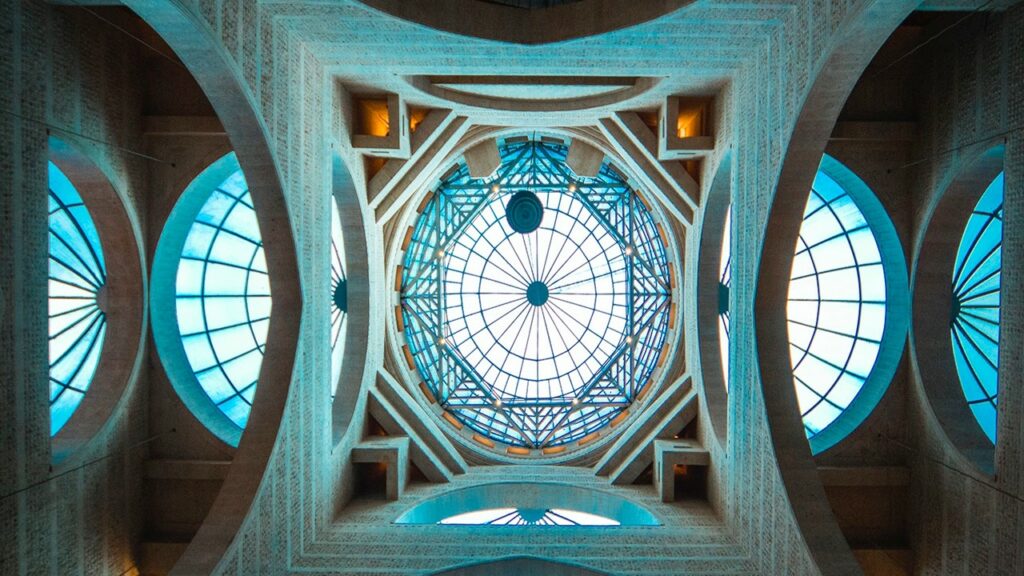
4th International Conference on Mosque Architecture Istanbul, 4-6 November 2025
Begins
In
00
DAYS
00
HRS
00
MIN
00
SEC
Discover the detailed schedule of the 4th International Conference on Mosque Architecture — including keynote sessions, workshops, and paper presentations across all themes.
The 4th International Conference on Mosque Architecture - Istanbul (2025)
The 4th International Conference on Mosque Architecture - Istanbul (2025)
The 4th International Conference on Mosque Architecture will be held from November 4th to 6th, 2025, in Istanbul. It is organized in partnership between the Abdullatif Al Fozan Award for Mosque Architecture and Istanbul Technical University.
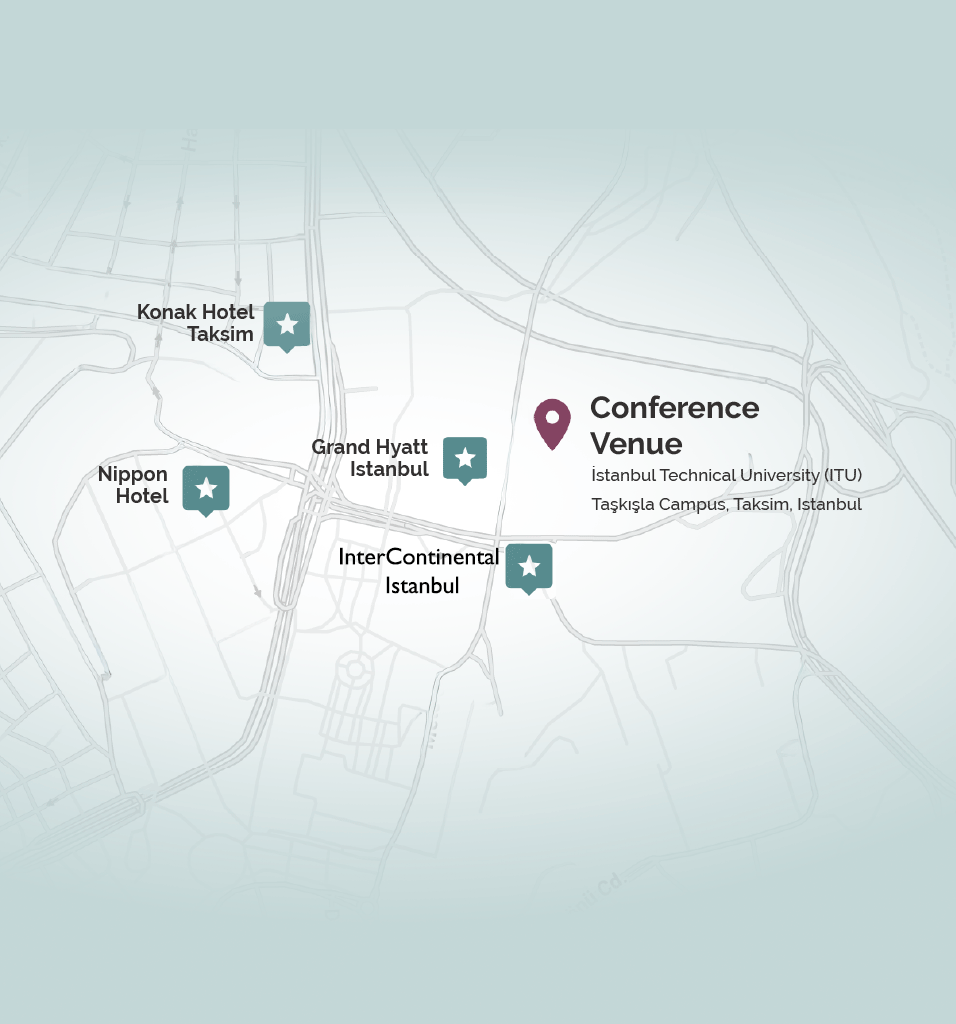
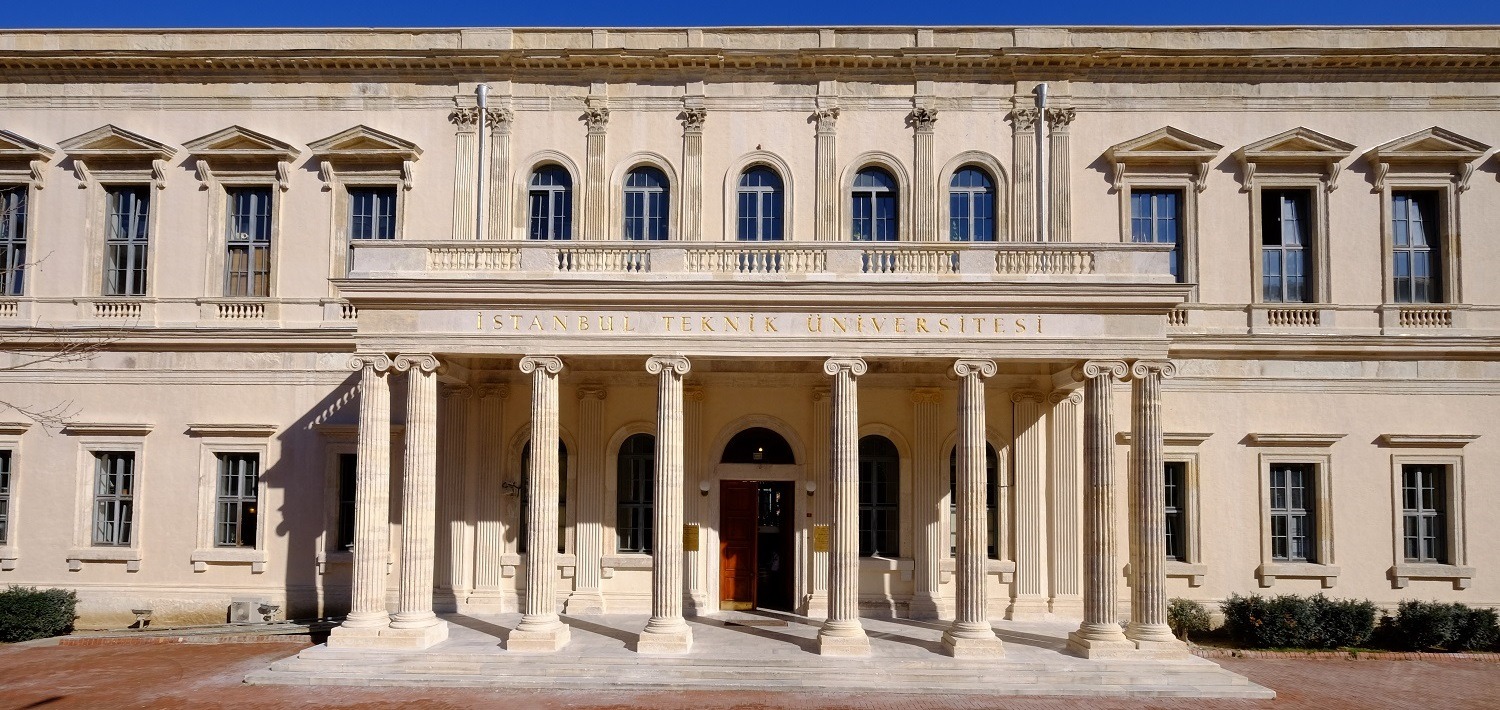
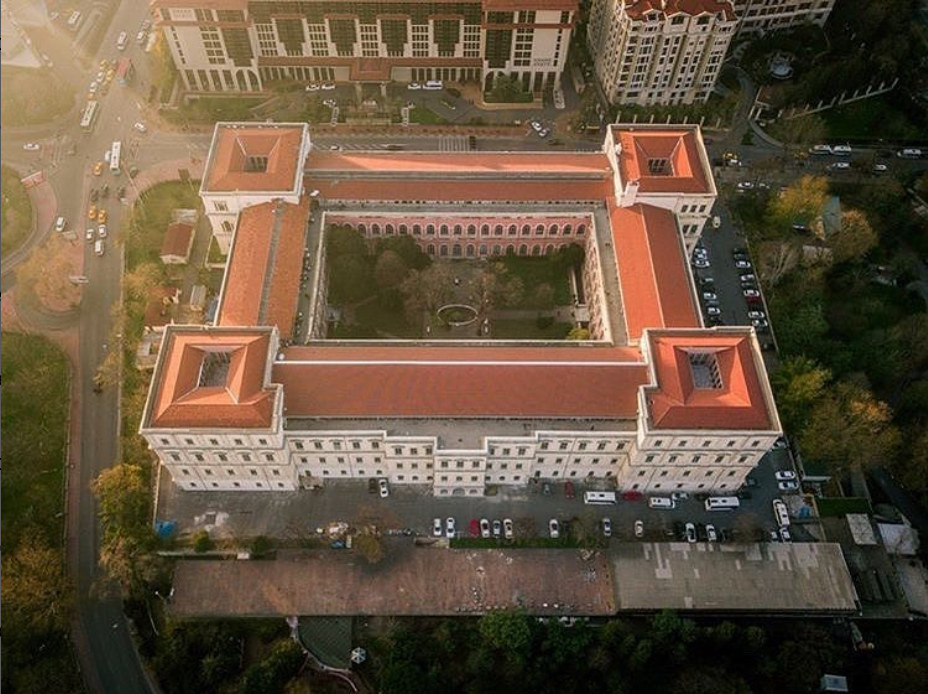
Conference Venue : Taşkışla
Designed by English architect William James Smith, Taşkışla was built to provide the Medical School with modern equipment in a brand-new masonry building.
It served as a military hospital for French soldiers during the Crimean War (1853-56) and underwent renovation during the reign of Sultan Abdülaziz.
Damaged by a powerful earthquake in 1894, the building was restored by eminent architects Raimondo D’Aronco and Alexander Vallaury. In 1944, it was allocated to Istanbul Technical University.
Renovation and adaptive re-use projects by Professor Paul Bonatz and Professor Emin Onat transformed it into housing for the faculties of Architecture and Civil Engineering as well as the Rectorate.
Conference main theme :
Rethinking Mosque Architecture
in the Contemporary World:
Paradigm Shifts, New Issues and Trends.
Rethinking mosque in the contemporary urban context
Communal mosque in Muslim and non-Muslim countries
Designing mosque as community development centers
Kulliyyah design (other urban functions developed around and in relation to the mosque)
Connections between different mosques
Mosque site selection criteria
The potentials/affordances of mosques during disasters, post-disaster recovery and catastrophic events
Building Technology & Structure :
Preservation, intervention and revitalization of the mosque (cultural heritage)
Practical experiences and innovative/environmental solutions in design and construction of mosques
Energy consumption in mosques
Mosque management and maintenance
Mosque development financing
Responsive design solutions towards a sustainable mosque architecture
Vernacular design solutions in mosque architecture
Safety and health risk assessment in mosques
Mosque furniture and furnishings
Incorporating new technologies in mosques
Scientific Committee Members
The scientific committee for each version of the international conferences on mosque architecture is usually chosen from researchers and academics,
with international experience and specialists in mosque architecture, arts and studies, and nevertheless that the membership of the scientific committees is not only limited to architects, but usually it includes researchers in Islamic jurisprudence, structural engineering, religions, philosophy, social sciences, anthropology and history.
Mohammad Pirbabaei
Abdurrahman Mohamed
Palestine
Ahad Nejad Ebrahimi
Iran
Ahmet Gün
Turkey
Alim Feyzulayev
Uzbekistan
Alper Ilki
Turkey
Alpha Diop
Mali
Basel Kamel
Egypt
Cenap Sancar
Turkey
Chaham Alalouch
Syria
Charbel Bou Abboud
Lebanon
Çiğdem Çiftçi
Turkey
Submission Guidelines
This conference, managed by the Abdullatif Alfozan Award for Mosque Architecture, usually addresses various architectural topics on mosques.
This conference, managed by the Abdullatif Alfozan Award for Mosque Architecture, usually addresses various architectural topics on mosques.
Guidelines
for Abstract Submissions
The title should not exceed 12 words and should briefly describe the work to be discussed in your paper, providing a concise summary of the findings.
Abstracts should not include diagrams or references.
Abstracts should not include diagrams or references.
Abstracts should be in MS Word (Times New Roman), font size 14, with a limit of 300-350 words.
Guidelines
for Full Papers Submissions
Final papers should be submitted in Harvard Style.
Final papers should be submitted in MS Word (DOC), Times New Roman, size 14
Final papers should not exceed 7500 words and should be proofread.
Final papers should not exceed 7500 words and should be proofread.
Selected abstracts will be required to submit a full paper after the notification of abstract acceptance. Please prepare your final paper according to the conference format.
All selected papers will be published in the conference proceedings of ICMA 2025 in both hardcopy and softcopy versions, which will be part of both Istanbul Technical University and the Abdullatif Al Fozan Award for Mosque Architecture (AFAMA) publications.
KEYNOTE SPEAKERS
Discover our Keynote Speakers
Saleh Ali AlHathloul
Saudi Arabia
Rasem Badran
Saudi Arabia
Sumayya Al Dabbaghh
Saudi Arabia
Akel Kahera
Qatar
Muthanna Al Bayati
Iraq
Mohamed Gamal Abdelmonem
United Kingdom
Rafiq Azam
Bangladesh
Emre Arolat
Turkey
Mahmud Erol Kılıç
Turkey
Filiz Ozer
Turkey
Zeynep Ahunbay
Turkey
Huseyin Kutlu
Turkey
Ahmet Gün
Turkey
Muhammed Ziya Paköz
Turkey
Omer Dabanlı
Turkey
Emre Can Yılmaz
Turkey
Submission of Papers Timing Schedule:
Submission of abstracts
Sunday, August 31, 2024
Responding to approved abstracts
Thursday, October 31, 2024
Submission of full papers
Monday, June 30, 2025
Responding on approved papers or amendments of full papers (if any):
Sunday, August 24, 2025
Submission of final papers after amendment :
Sunday, September 14, 2025
Conference Program:
4th International Conference on Mosque Architecture Istanbul, Türkiye | November 4–6, 2025
Workshop: Contemporary Mosque Architecture – International Practices
12:00–13:30
Parallel Scientific Sessions 3-2 (A & B)
13:30–14:30
Prayer & Lunch
14:30–16:00
Workshop (continued)
16:00–17:00
Final Session
INFORMATION
Transportation
Turkish Airlines is the official airline partner for the 4th International Conference on Mosque Architecture (ICMA-4). ICMA participants can enjoy discounted airfare using the code: 003TKH25
Lorem ipsum dolor sit amet, consectetur adipiscing elit. Sed consequat velit at ante bibendum, in dictum elit dignissim. Integer ac ligula eu quam commodo elementum. Aliquam erat volutpat. Phasellus ut justo vel sapien efficitur cursus. Proin nec leo vel dolor gravida consectetur.
Ut id tortor nec turpis lacinia feugiat. Aliquam erat volutpat. Pellentesque habitant morbi tristique senectus et netus et malesuada fames ac turpis egestas. Vestibulum nec cursus nisl. Integer ut quam ac nulla venenatis iaculis vel vel turpis. Fusce hendrerit arcu at dui euismod, id suscipit justo pulvinar. Nulla facilisi.





 Tuesday, November 4, 2025